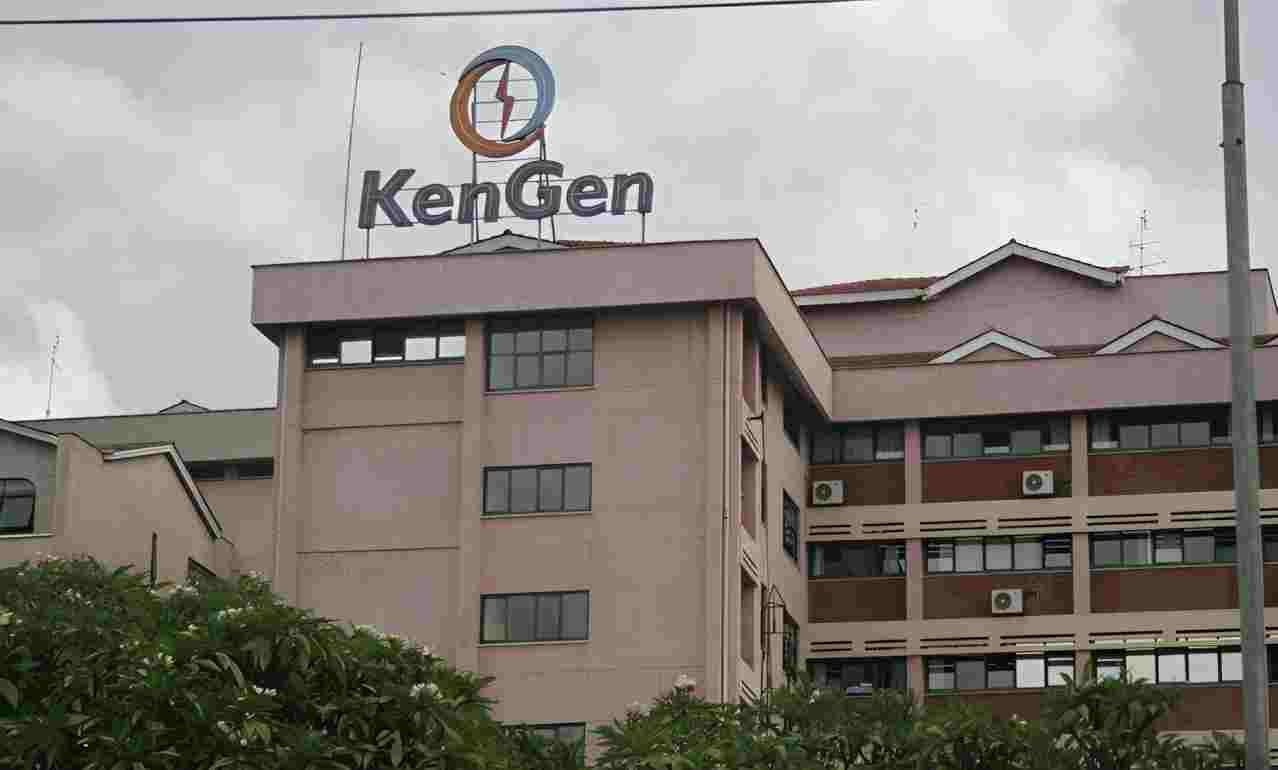
Kenya has taken a major step toward introducing nuclear energy into its power mix after naming KenGen as the owner-operator of the country’s first nuclear power plant, a move that sets the foundation for a new phase in national energy development.
The assignment was confirmed on Monday, marking the start of what government officials described as a long-term plan to secure stable and cleaner electricity for the country.
The first plant is expected to produce 2GW, with the wider programme planned to scale up to 6GW as part of efforts to add 10GW to the national grid. KenGen and the Nuclear Power and Energy Agency will now begin working together on public engagement, readiness planning, and building the capacity needed to support the shift.
In the announcement, Energy and Petroleum Cabinet Secretary Opiyo Wandayi said, "This marks the beginning of Kenya's nuclear power era," adding that "Assigning KenGen the owner-operator role ensures the programme is anchored in strong technical capability, public trust, and long-term national interest."
The declaration was made during the signing of a Memorandum of Understanding between KenGen and NuPEA, which lays out how the two institutions will coordinate as the country prepares for nuclear generation. The MoU creates a Joint Engagement Framework designed to guide national readiness, with strong emphasis on awareness, cooperation with the public, and strengthening institutions.
CS Wandayi said the partnership will be central to preparing the country for this shift. "This MoU will deepen public awareness, strengthen stakeholder engagement, enhance institutional capabilities, and prepare the ground for a reliable low-carbon baseload option," he said.
KenGen Chairperson Alfred Agoi welcomed the decision, saying the company is well placed to take up the role because of its long history running different types of power plants. "KenGen has a long experience and expertise in construction, operation and maintenance of power plants ranging from geothermal, hydro, wind, solar and now ready to lead the next phase to help Kenya develop its first nuclear power plant," he said.
KenGen’s Managing Director and CEO Eng. Peter Njenga said the joint effort marks an important moment in Kenya’s journey toward a more secure and cleaner energy future. "This agreement marks a bold step forward for Kenya's energy security," he said.
He added that Kenya’s energy landscape has changed over time, with KenGen guiding the country from hydropower to geothermal and wind. "KenGen has led Kenya's clean-energy evolution from hydropower to geothermal and wind. Nuclear energy is the next frontier for nations seeking stable, affordable, low-carbon baseload power. Our partnership with NuPEA signals our readiness to play a central role in shaping Kenya's energy future, anchored in industrial growth, job creation, and global competitiveness."
Eng. Njenga said KenGen’s appointment is also linked to its wide presence across the country and its established public confidence. "This is not just a communication effort, it is a national preparation effort. Our mandate is to ensure Kenyans have factual, accessible, and timely information as we evaluate this globally proven and highly regulated technology," he said.
NuPEA CEO Justus Wabuyabo described the new partnership as a shift from planning to preparing for actual implementation, saying it marks a key moment in Kenya’s nuclear journey.
Under the MoU, the two institutions will form a Joint Working Group that will develop a nationwide communication and engagement plan. It will identify important groups in all counties, run public education drives, organise technical discussions, train journalists and county leaders on nuclear basics, and set up a system for receiving and responding to public concerns based on global standards.
The framework will also support early steps in choosing suitable sites and managing land processes, using KenGen’s long experience in handling large infrastructure undertakings. Both institutions assured the public that all decisions on siting will follow strict participation rules and allow room for community input.
For users and investors, the nuclear programme is expected to bring stable power prices, fewer outages, and an electricity system strong enough to support advanced manufacturing and digital industries.






























